Lesson 16: Letter Noon
Letter Noon
Introduction
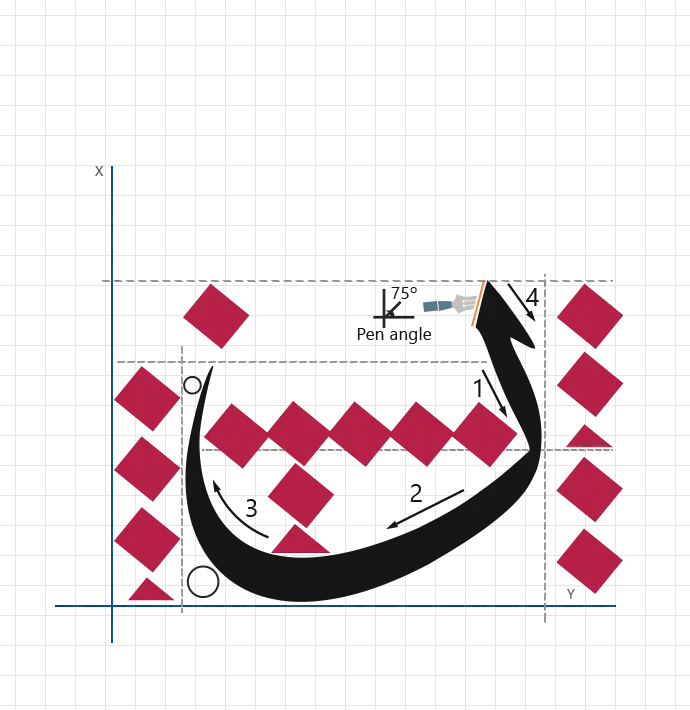
In this lesson, you will learn how to write the Arabic letter Noon using the Thuluth calligraphy style.
Noon is a compact yet expressive letter that combines diagonal movement, horizontal stability, and vertical strength within a balanced form. Practicing Noon helps students refine control over stroke direction changes, proportional spacing, and precise finishing details. Mastering this letter strengthens overall accuracy and harmony in Thuluth writing.
Letter Data
- Letter: Noon
- Script: Thuluth
- Total strokes: 4
- Pen angle: 70°–90°
- Total length: Based on nuqta measurements
Stroke Details
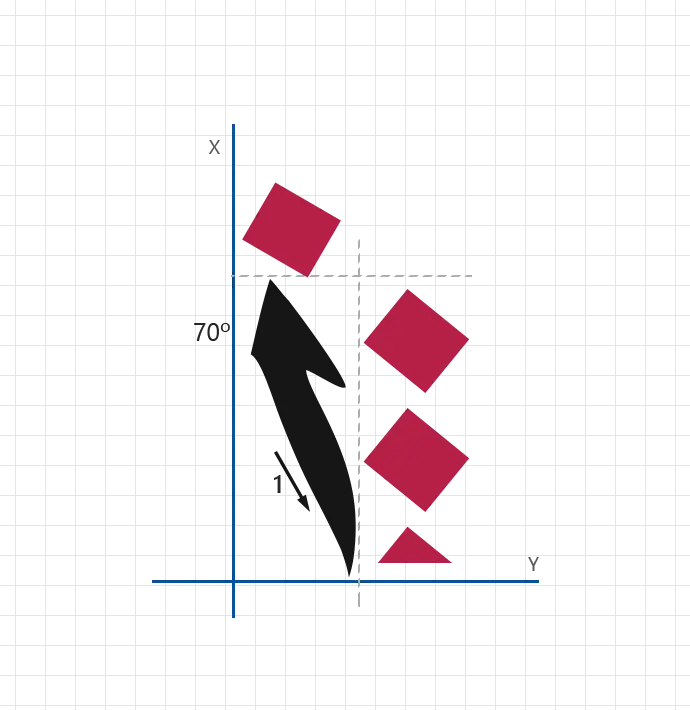
Stroke 1:
- angle: 70°
- direction: Diagonal downward
- length: 2.5 nuqtas (height)
- width: 1 nuqta
- pressure: Medium and steady
- description: Draw a short diagonal stroke to initiate the letter with smooth motion and controlled direction.
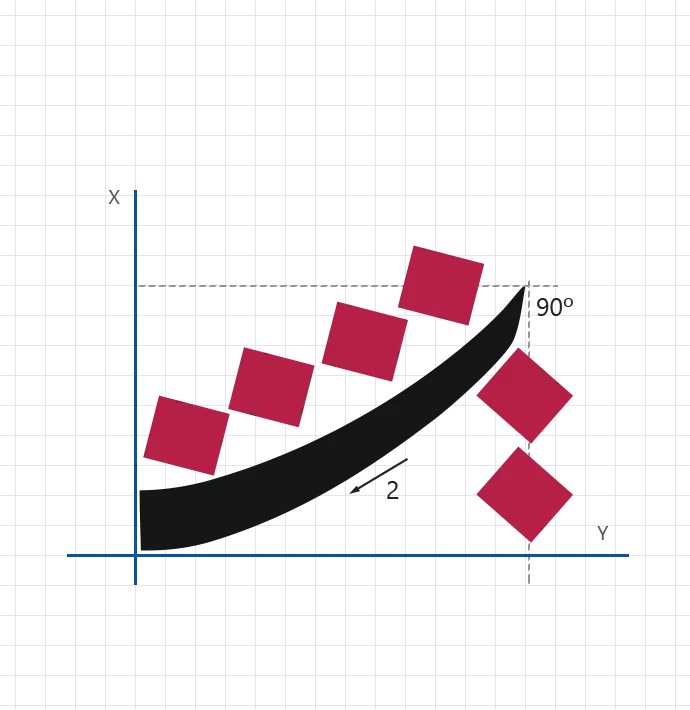
Stroke 2:
- angle: 90°
- direction: Horizontal (along baseline)
- length: 3.5 nuqtas (width)
- height: 2 nuqtas
- pressure: Medium
- description: Draw a horizontal stroke to establish the base of the letter and provide structural stability.
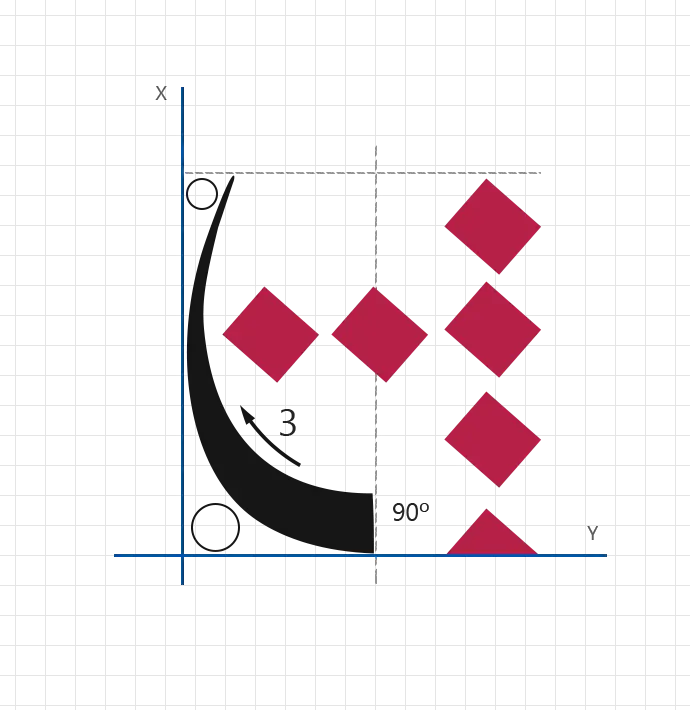
Stroke 3:
- angle: 90°
- direction: Downward vertical
- length: 3.5 nuqtas (height)
- width: 1 nuqta
- pressure: Medium
- description: Draw a vertical stroke to complete the main structure and balance the body of the letter.
Stroke 4:
- angle: Natural
- direction: Small curved mark above the body
- length: 1 nuqta
- height: 1 nuqta
- pressure: Light
- description: Draw the defining head mark of the Noon to complete the letter’s identity and visual character.
- Diagonal opening stroke
- Baseline foundation stroke
- Vertical body stroke
- Head stroke (dot)
- Diagonal stroke too steep or too flat
- Base stroke too short or too thick
- Vertical stroke misaligned
- Head mark too large or misplaced
- Inconsistent stroke thickness
Practice strokes 1 and 2 together to achieve a smooth transition from diagonal motion to horizontal stability before adding the vertical body.
Structured Practice Guidelines for Letter Mastery
The "Guidelines for Letter Mastery" table provides a clear and systematic approach for students to practice and refine their Arabic calligraphy skills. It outlines each step, the recommended time allocation, and detailed descriptions to ensure effective and focused practice sessions. This table is designed to help students build consistency, master letter proportions, and develop a strong foundation in Arabic calligraphy.
| Step | Time | Description |
|---|---|---|
| Set Aside Dedicated Practice Time | 15–20 minutes per session | Allocate focused time for practice. Aim for 3–4 sessions per week to build consistency and muscle memory. |
| Understand the Letter's Structure | 2–3 minutes | Review examples and stroke breakdowns. Familiarize yourself with angles, proportions, and key components. |
| Begin with Tracing | 5–7 minutes | Trace the letter on the worksheet to understand its flow and stroke angles. |
| Practice Freehand | 10–12 minutes | Draw the letter freehand using guides. Focus on clean strokes, proportions, and consistency. |
| Refine with Repetition | 5–10 minutes | Repeat the letter multiple times, aiming to improve alignment, spacing, and smoothness. |
| Evaluate Your Progress | 2–3 minutes | Compare your work to the examples on the worksheet. Identify areas for improvement. |
| Incorporate Feedback | As needed | Seek feedback from an instructor or peer and apply their suggestions in future sessions. |
This lesson teaches how to write Noon using smooth curves and controlled stroke thickness.
There are no comments for now.
to be the first to leave a comment.