-
Introduction & Tools
-
Lesson 1: Letter Alef
-
- Join this Course to access resources
- Quiz
-
-
Lesson 2: Letter Baa
-
- Join this Course to access resources
- Quiz
-
-
Lesson 3: Letter Jeem
-
- Join this Course to access resources
- Quiz
-
- Join this Course to access resources
- Quiz
-
-
Lesson 4: Letter Daal
-
- Join this Course to access resources
- Quiz
-
-
Lesson 5: Letter Raa
-
- Join this Course to access resources
- Quiz
-
- Join this Course to access resources
- Quiz
-
- Join this Course to access resources
- Quiz
-
-
Lesson 6: Letter Seen/Sheen
-
- Join this Course to access resources
- Quiz
-
-
Lesson 7: Letter Saad
-
- Join this Course to access resources
- Quiz
-
-
Lesson 8: Letter Daad
-
Lesson 9: Letter Taa
-
- Join this Course to access resources
- Quiz
-
-
Lesson 10: Letter Ayn
-
- Join this Course to access resources
- Quiz
-
- Join this Course to access resources
- Quiz
-
-
Lesson 11: Letter Qaaf
-
- Join this Course to access resources
- Quiz
-
-
Lesson 12: Letter Faa
-
- Join this Course to access resources
- Quiz
-
-
Lesson 13: Letter Kaaf
-
- Join this Course to access resources
- Quiz
-
-
Lesson 14: Letter Laam
-
- Join this Course to access resources
- Quiz
-
-
Lesson 15: Letter Meem
-
- Join this Course to access resources
- Quiz
-
- Join this Course to access resources
- Quiz
-
-
Lesson 16: Letter Noon
-
- Join this Course to access resources
- Quiz
-
-
Lesson 17: Letter Haa
-
- Join this Course to access resources
- Quiz
-
- Join this Course to access resources
- Quiz
-
-
Lesson 18: Letter Waw
-
- Join this Course to access resources
- Quiz
-
- Join this Course to access resources
- Quiz
-
-
Lesson 19: Letter Yaa
-
- Join this Course to access resources
- Quiz
-
- Join this Course to access resources
- Quiz
-
-
Lesson 20: Letter Laa
-
- Join this Course to access resources
- Quiz
-
- Join this Course to access resources
- Quiz
-
-
Certificate
Understanding strokes and pen angles
Understanding strokes and pen angles
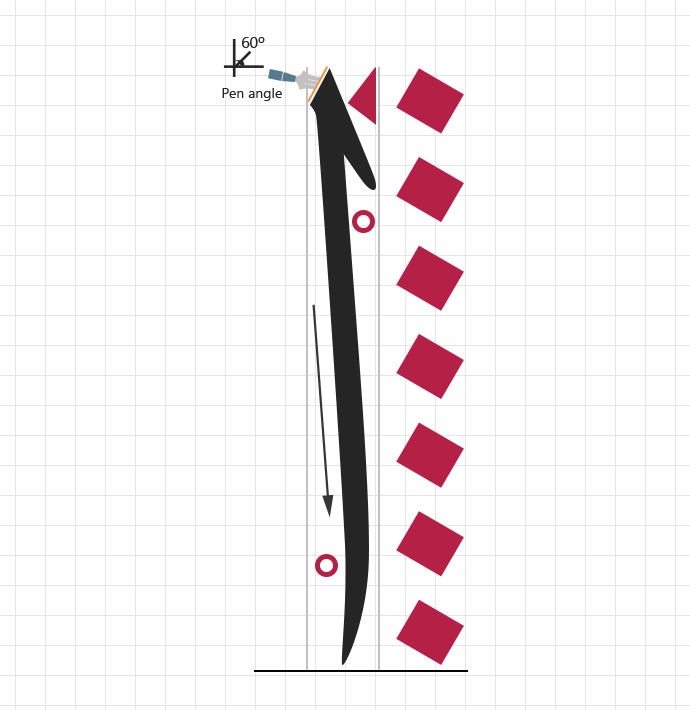
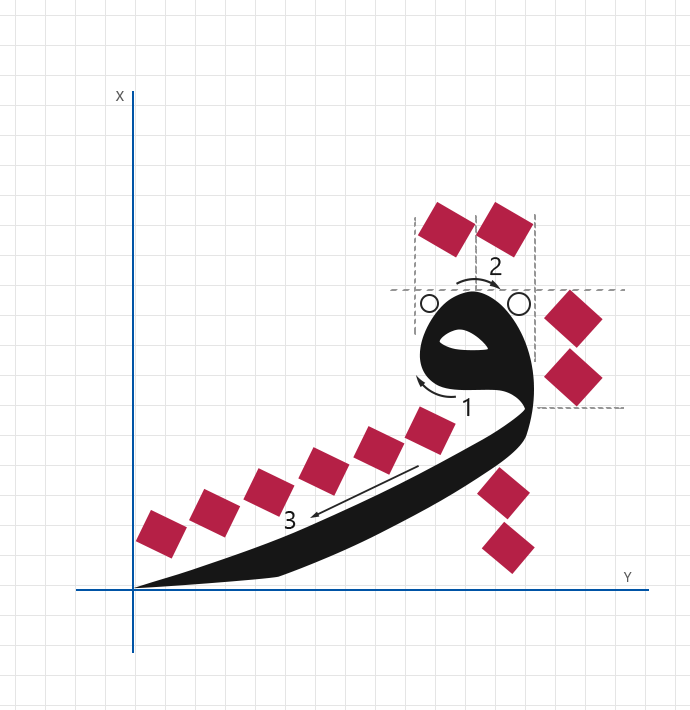
Arabic calligraphy is built from strokes. Every letter is formed using one or more strokes made with the calligraphy pen.
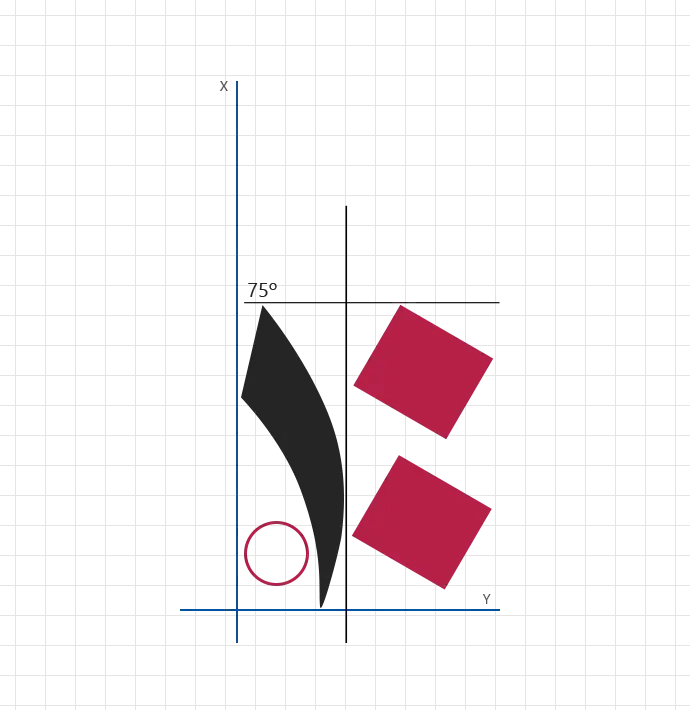
A stroke is a single, continuous movement of the pen from start to finish without lifting it from the paper. Learning how to control these movements is the foundation of good calligraphy.
Some letters are written using:
- One stroke
- Three strokes
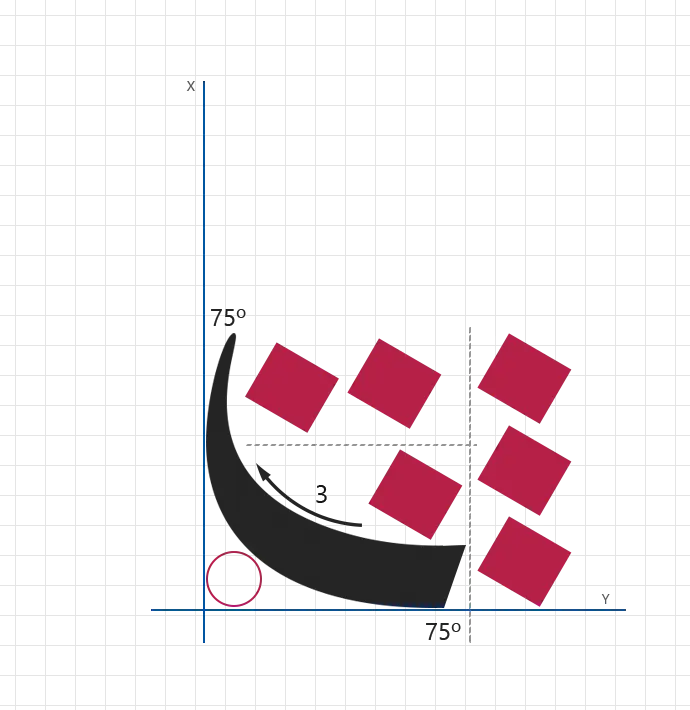
Stroke 3
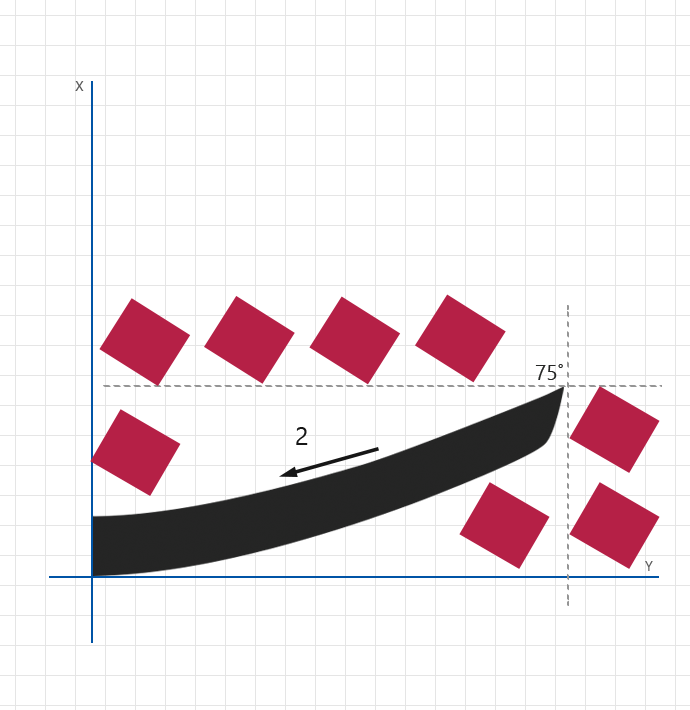
Stroke 2
Stroke 1
- Or several strokes
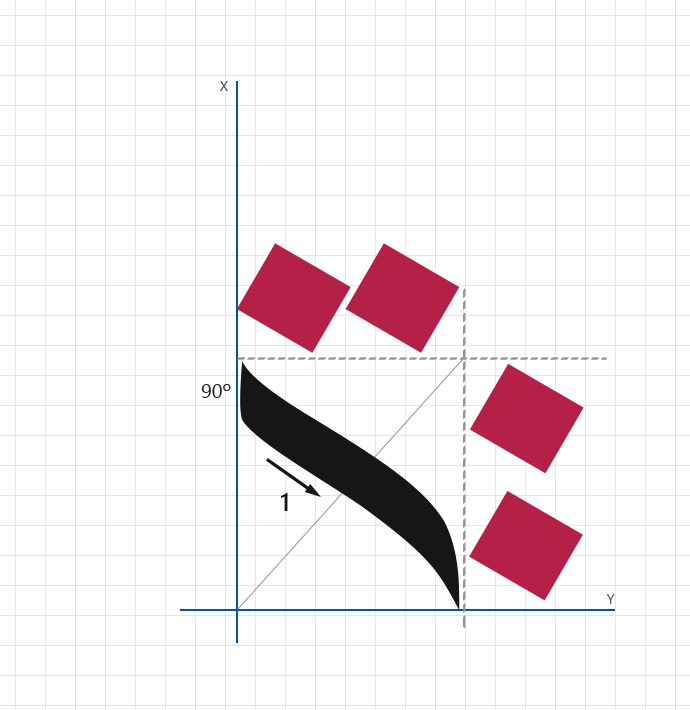
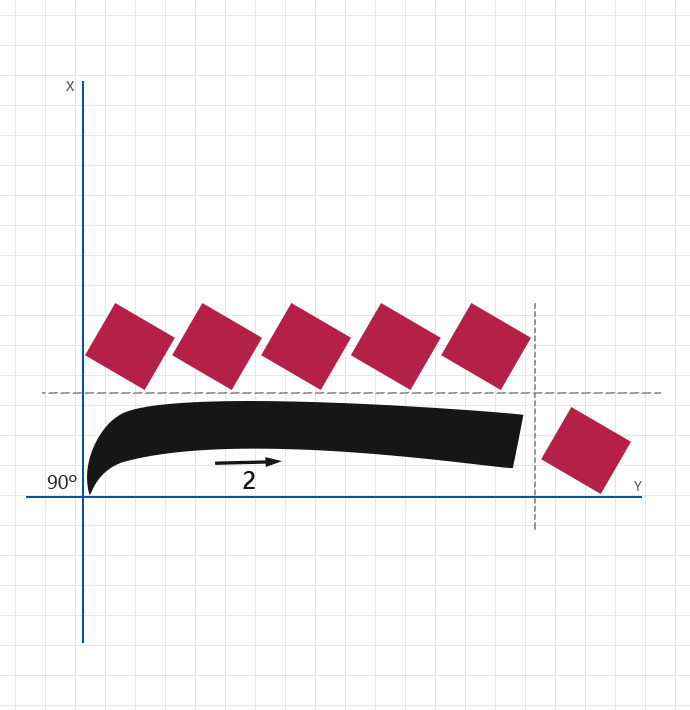
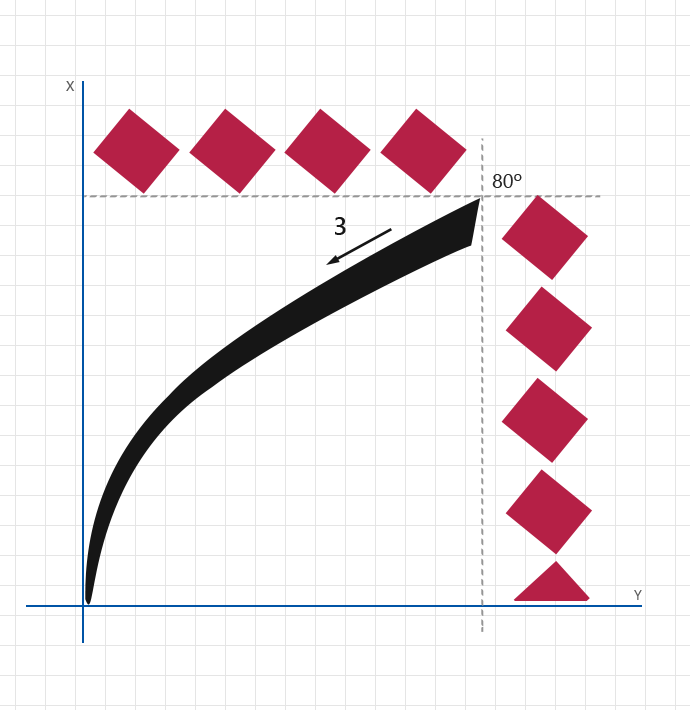
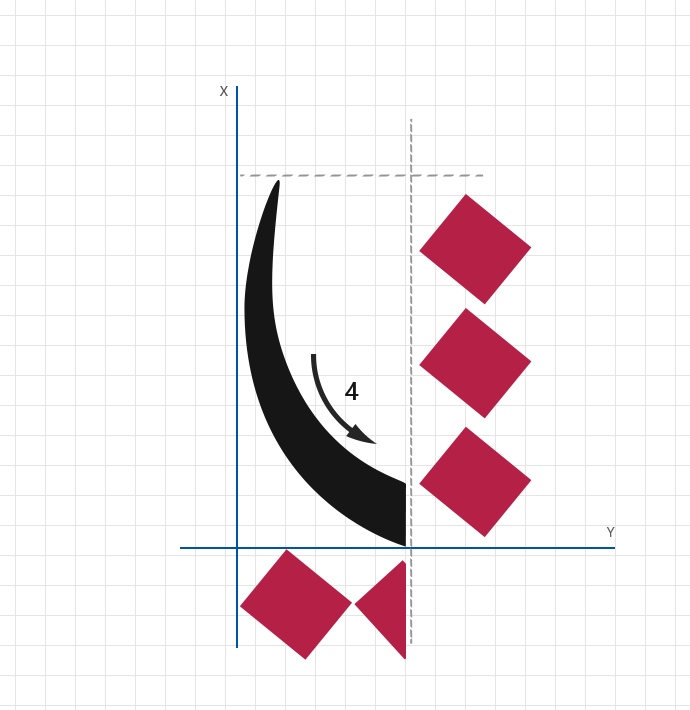
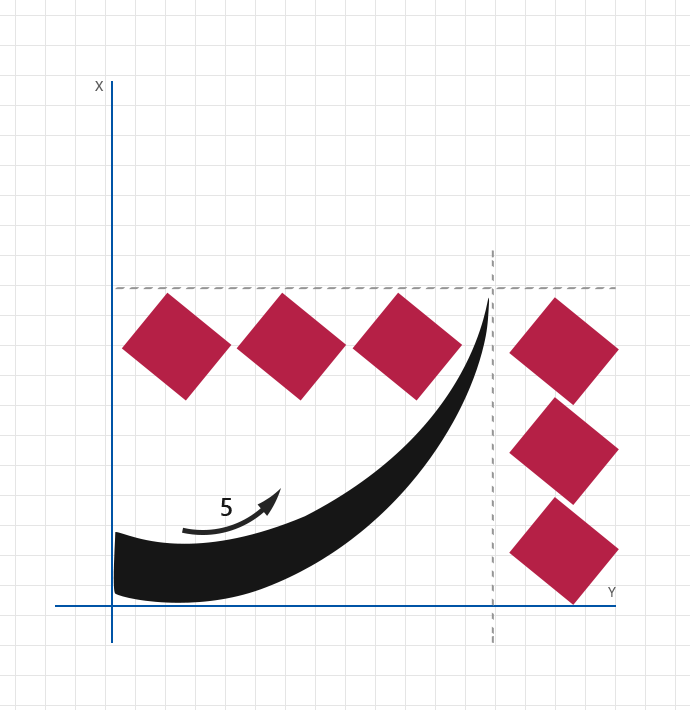
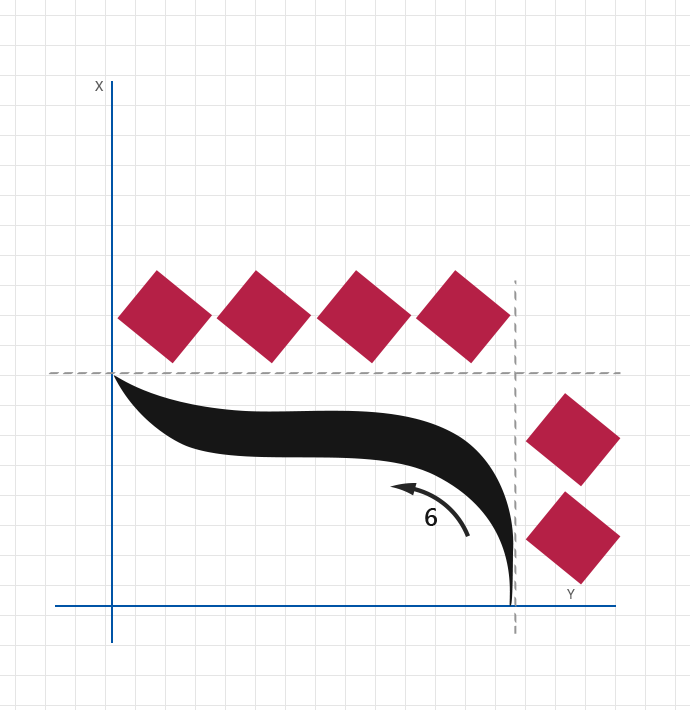
In Thuluth calligraphy, the pen is usually held at an angle of about 75 degrees. This angle is very important because it controls:
- The thickness of the line
- The smoothness of curves
- The overall shape and beauty of the letter
Keeping the pen at a consistent angle while writing helps produce clean, balanced, and harmonious letters.
Practice Before Writing Letters
Before starting to write full letters, practice the following:
- Straight lines
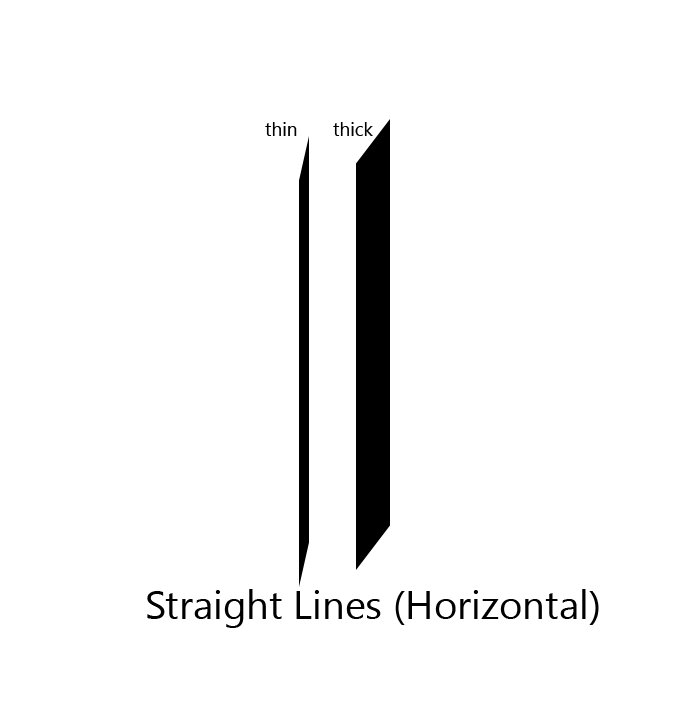

- Short curves

- Long curves

Try to maintain the same pen angle during each stroke. This simple practice will train your hand, improve control, and prepare you to write letters correctly in the upcoming lessons.
This lesson explains the essential tools needed for Thuluth calligraphy and shows how to prepare and hold the qalam correctly before starting to write letters.
There are no comments for now.